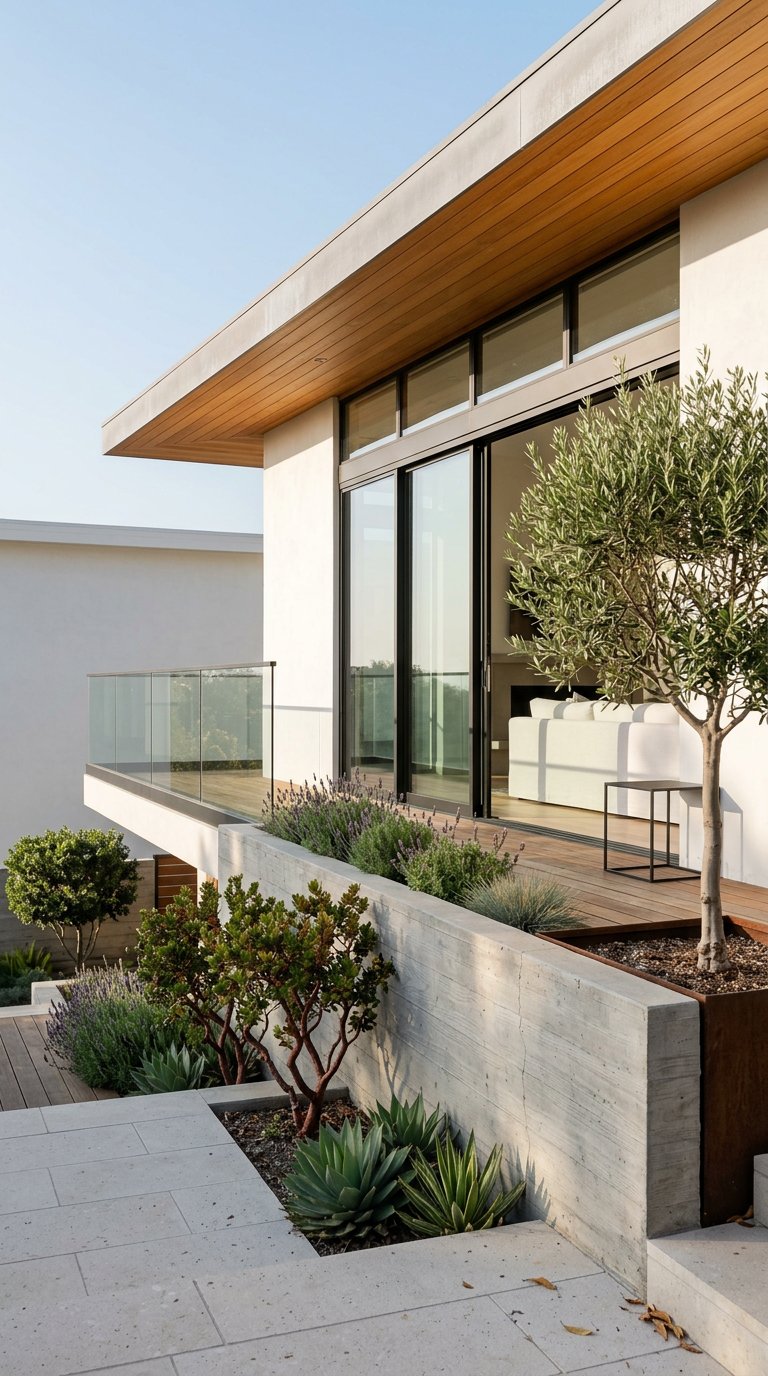
Choosing between a front‑row seat on the sand and a panoramic hillside perch is a good problem to have, but it is still a real decision. You might be picturing morning beach walks, sunset dinners, or quiet starry nights above the coast. The right choice depends on how you live, the maintenance you are willing to take on, and the long‑term factors you want to plan for. In this guide, you will learn the key tradeoffs for Laguna Beach oceanfront and hillside living so you can decide with confidence. Let’s dive in.
Oceanfront vs hillside: lifestyle first
Start with how you want to use your home most days. If daily shore access and a walk‑to‑everything routine matter most, oceanfront or near‑coastal neighborhoods close to Main Beach and The Village fit that vision. If you want sweeping views, more privacy, and larger outdoor terraces, the hillside neighborhoods may be a better match.
Ask yourself:
- Do you want to walk to restaurants, galleries, and the beach, or do you prefer a quieter retreat above the crowds?
- Are you comfortable with higher oceanfront upkeep, or do you prefer hillside wildfire preparedness and slope diligence?
- Do you value horizon views from ground level, or 180‑degree vistas with city lights at night?
Climate and microclimate
Laguna Beach has distinct microclimates across short distances. Oceanfront homes feel a stronger maritime influence with cooler mornings, a narrower daily temperature range, and more frequent marine layer in late spring and early summer. These patterns are normal along the coast and can vary block by block due to topography. You can see the city’s year‑round weather profile in the Laguna Beach climate summary.
Hillside areas often get sunnier midday as the marine layer burns off. You will notice slightly warmer highs, more daily temperature swing, and more exposure to inland winds. South‑facing decks catch more sun, which is great for outdoor living, but heat waves can feel hotter on the slopes.
Views and orientation
Oceanfront properties deliver direct horizon and beach views from the main living level. Lots can be narrower, so homes are designed to pull the eye to the water with wide glass and stacked levels that maximize frontage.
Hillside homes commonly offer multi‑direction views that can include ocean, canyon, and nighttime city lights. Because homes are stepped into the slope, you often gain a broader visual sweep. The tradeoff is vertical circulation. Expect more stairs or residential elevators, and plan for driveway angles and garage access.
Walkability and nightlife
If you want a car‑light lifestyle, focus on the coastal core. Laguna Beach’s overall Walk Score hovers in the 40s, but The Village and Main Beach pockets are very walkable. Check the citywide view on Walk Score’s Laguna Beach page and then zoom in to blocks you like.
Hillside neighborhoods are usually car‑dependent. Quick drives down to restaurants, galleries, and beaches are part of the routine. During peak summer arts season, the Sawdust Art Festival and the Festival of Arts/Pageant of the Masters bring major foot traffic to downtown, which adds energy and can also mean congestion near the coast. For context on seasonal draw, see the Festival of Arts media overview.
Privacy and gated options
Oceanfront living can be public‑facing where sidewalks and beach access paths bring people close to your frontage. That said, there are guard‑gated enclaves along the coast that provide additional privacy and controlled beach access. Always review HOA documents and title for the exact rules and access terms.
Hillside homes tend to feel more secluded due to setbacks, landscaping, and fewer public footpaths. Neighborhoods like Top of the World, Temple Hills, Arch Beach Heights, and Mystic Hills are known for privacy while still putting you within a short drive of beaches and trails.
Architecture and lot types
On the waterfront, you will see modern and contemporary rebuilds, classic beach cottages, and period revival styles. Narrower lots often lead to taller profiles and open‑plan living rooms that frame the ocean.
On the hillsides, expect wider variety. You will find ranch, craftsman, mid‑century modern, and multi‑level contemporary homes with terraced decks and larger yards. The city’s certified Local Coastal Program includes hillside design guidance that shapes massing and erosion control, which is helpful to review if you plan renovations. Explore the City of Laguna Beach Local Coastal Program for details.
Hazards, permits, and upkeep
Every coastal setting has its own risk profile. A few key differences stand out in Laguna Beach:
- Oceanfront flood and erosion: Some ocean‑edge parcels sit in FEMA flood zones or areas that can be affected by wave runup or bluff erosion. Before you buy, check the FEMA Flood Map Service Center for the specific parcel and ask for elevation certificates where relevant. For long‑term planning, the California Coastal Commission’s Sea Level Rise guidance summarizes the science behind coastal risk and policy.
- Hillside wildfire and slope: Hillside homes can fall within State or Local Fire Hazard Severity Zones. Confirm the parcel classification using the state’s Fire Hazard Severity Zone map for Orange County and review the Orange County Fire Authority’s Defensible Space Disclosure. Fuel‑modification and defensible‑space rules help protect homes and may affect landscaping and maintenance.
- Permits and coastal rules: Bluff‑top or shoreline work often requires more review. Laguna Beach has a certified Local Coastal Program that governs coastal development permits, scenic resources, and public access. Major hillside grading and shoreline protection proposals can also involve appeals. Read the city’s Local Coastal Program before planning improvements.
- Salt‑air maintenance: Salt and marine air speed up corrosion on metal, shorten the life of exterior finishes, and can reduce HVAC coil lifespans. Expect more frequent rinsing, marine‑grade fixtures, and regular exterior care. For a practical primer on corrosion and maintenance habits, see this coastal upkeep tip sheet.
For a broader view of local hazards the city monitors, you can also review the Laguna Beach Hazard Mitigation Plan.
Price signals to watch
Laguna Beach is a multi‑million‑dollar market across both oceanfront and premium hillside addresses. Recent public snapshots have shown neighborhood medians ranging from the low‑to‑mid millions in hillside areas like Top of the World to higher medians along prized coastal coves, with price‑per‑square‑foot reaching into the two‑thousand‑dollar range on select ocean‑adjacent blocks. As of early 2026, examples included a roughly 2.25 million median in parts of North Laguna and about 2.46 million in Top of the World based on recent 12‑month windows.
Two practical tips:
- Treat these as directional only. Laguna Beach pricing moves quickly and varies street by street and month by month.
- Re‑pull comps right before you make an offer or list. The freshest on‑ and off‑market context often matters more than last quarter’s averages.
Neighborhood snapshots
- Main Beach and The Village: The most walkable core with galleries, dining, and beach access. Expect seasonal energy during arts festivals and peak months.
- North Laguna, Woods Cove, Moss Point: Coveted coves and tide pool areas with strong demand for ocean views. Good if you want quick access to beaches with a slightly quieter feel than downtown.
- Irvine Cove, Emerald Bay, Three Arch Bay: Guard‑gated enclaves with enhanced privacy and beach amenities defined by HOA rules. Pricing sits at the very high end depending on lot and improvements.
- Top of the World, Temple Hills, Arch Beach Heights, Mystic Hills: Classic hillside view living with larger lots, trail access, and panoramic vistas. Expect a short drive to the beach and village amenities.
Buyer due diligence checklist
Do these items early so you can act fast when the right home appears:
- Market comps: Ask your agent to pull current block‑level comps and private activity. Recheck right before an offer or price change.
- Flood check: Use the FEMA Flood Map Service Center for parcel‑level zones and request elevation certificates where applicable.
- Fire hazard check: Confirm parcel status on the state’s Fire Hazard Severity Zone map and obtain the OCFA Defensible Space Disclosure.
- Geotechnical and foundation: For hillside or bluff‑front properties, order a current geotechnical review and ask for documentation on any slope repair, retaining walls, drainage, or movement history. Reference the city’s Local Coastal Program for hillside standards.
- Coastal permits history: On oceanfront or bluff‑top homes, review past coastal development permits and any shoreline protection, plus limits on future defenses per the city’s LCP and the Coastal Commission’s sea level guidance.
- Salt‑air inspection: Have your inspector document exterior finishes, metals, roof flashing, and HVAC components. Plan for marine‑grade materials and regular care. For background, see this salt‑air maintenance explainer.
- HOA and beach access: In gated enclaves, review CC&Rs, budgets, and access rules. Confirm what is private, what is shared, and how it is enforced.
- Insurance quotes: Get sample homeowner, wildfire, and flood quotes early. Availability and pricing can vary between cliff/beach parcels and hillside locations.
Which lifestyle fits you
Choose oceanfront if you want direct shore access, horizon views from your main level, and the ability to walk to downtown or North Laguna amenities. Plan for a proactive maintenance routine, careful permit planning, and a premium price point.
Choose hillside if you want panoramic ocean and canyon views, larger outdoor terraces, and more privacy. Plan for wildfire readiness, thoughtful slope and drainage oversight, and regular drives into town.
If you want a trusted local sounding board as you weigh options, you can lean on a boutique, concierge approach that brings off‑market sourcing, neighborhood orientation tours, and careful project management to your search. When you are ready to explore both settings, schedule a private consultation with Leslie Thompson to map your best path in Laguna Beach.
FAQs
What are the main weather differences between oceanfront and hillside homes in Laguna Beach?
- Oceanfront areas feel cooler mornings, a narrower daily temperature range, and more marine layer, while hillsides are sunnier midday with larger temperature swings and more inland wind exposure, according to the Laguna Beach climate summary.
How walkable are Laguna Beach’s coastal neighborhoods compared to the hills?
- The Village and Main Beach blocks are very walkable, while hillside neighborhoods are typically car‑dependent. See the city overview on Walk Score’s Laguna Beach page.
What hazards should I check before buying near the beach or on a hillside in Laguna Beach?
- Near the beach, review FEMA flood zones and coastal erosion; on hillsides, confirm Fire Hazard Severity Zones and defensible‑space rules. Start with FEMA’s map center, the state’s FHSZ map, and the OCFA disclosure.
How do Laguna Beach’s coastal permits affect oceanfront remodels or additions?
- Bluff‑top and shoreline work is guided by the city’s certified Local Coastal Program and may involve additional review. Read the Local Coastal Program before planning improvements.
Do oceanfront homes in Laguna Beach require special maintenance?
- Yes. Salt‑laden air can accelerate corrosion on metal and shorten exterior finish and HVAC component life. Many owners use marine‑grade materials and more frequent exterior care, as noted in this coastal upkeep overview.
How busy does downtown Laguna Beach get in peak season?
- Summer arts events increase pedestrian activity near The Village and Main Beach. The Festival of Arts/Pageant of the Masters has historically drawn large seasonal attendance, as seen in this media overview.